

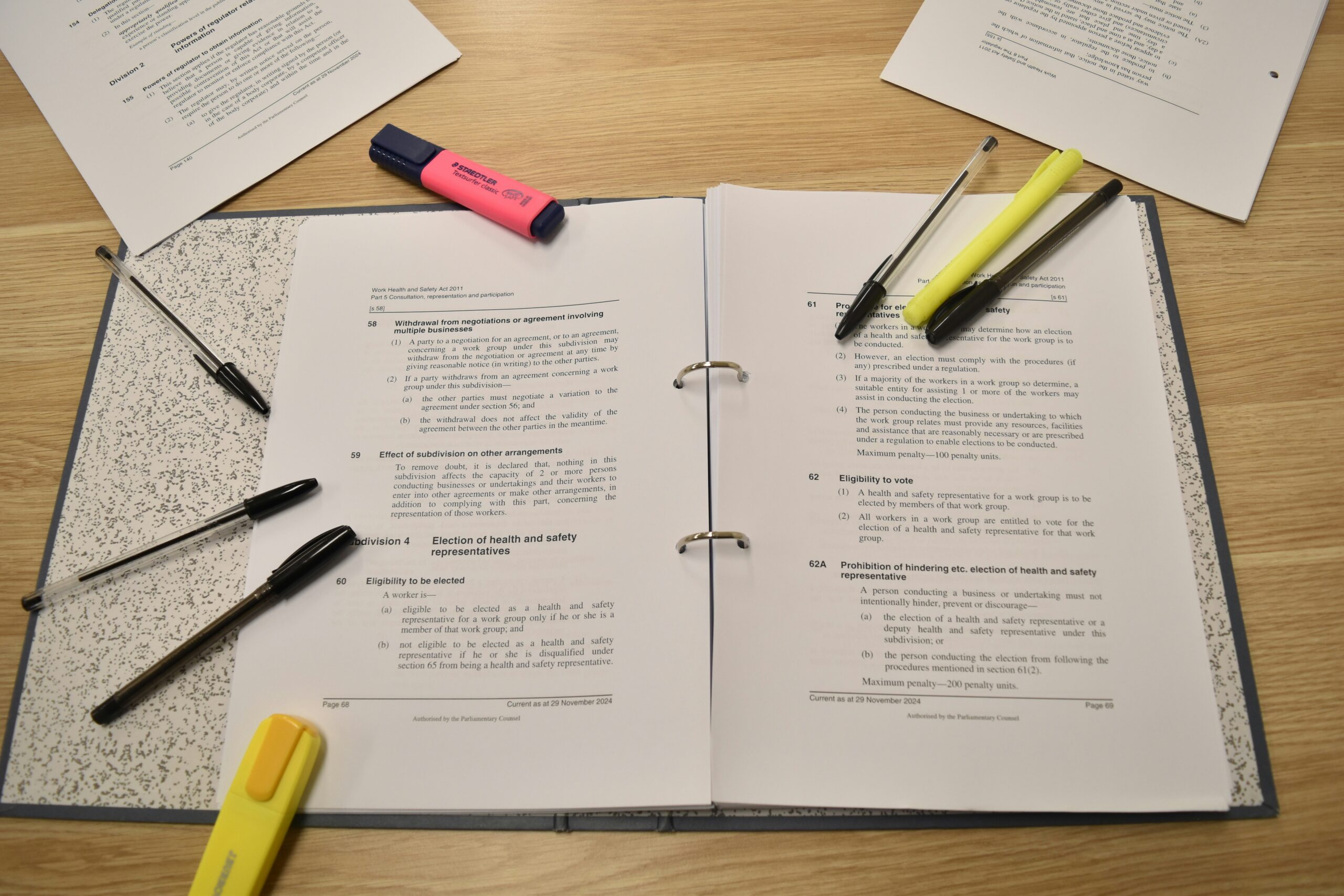
If you are preparing for the reading section of the IELTS, learning how to do skimming and scanning effectively can transform your performance. With tight time limits and long passages, reading every word simply is not realistic. Skimming and scanning help you save time, stay focused, and find answers quickly. These two techniques work beautifully together, and once you understand how to use them, the reading test becomes far more manageable.
Table of Contents
Scanning for the Details That Matter
After skimming, scanning helps you pinpoint exactly where the answer might be. Here is how to do it effectively.
- Highlight keywords from the question. These could be names, places, dates, numbers, or unique terms.
- Look for these keywords or their synonyms. The IELTS often uses paraphrasing, so be ready to recognize similar meaning, not just identical words.
- Move your eyes quickly through the passage. Do not read line by line. Let your eyes jump.
- When you find the keyword, read the surrounding sentences carefully. The answer is usually nearby.
Scanning works best when you already have a mental overview from skimming.
JOIN OUR WHATSAPP GROUP FOR UPDATES
Why These Strategies Matter, Especially Under Time Pressure
In the IELTS reading test, you face three passages and 40 questions, all within 60 minutes. That means you rarely have the luxury of slow reading.
- Skimming helps you grasp the general idea quickly.
- Scanning guides you straight to the relevant section of the text.
- Both techniques reduce stress and help you manage time confidently.
These strategies are especially useful for question types like matching headings, multiple choice, true or false or not given, and locating specific information such as dates or reasons.
ALSO READ: IELTS Matching Headings – How to Score a Remarkable Band 8+ in IELTS Reading
Practical Tips to Strengthen Skimming and Scanning
- Spend one to two minutes skimming the entire passage before you tackle the questions.
- Read the questions carefully and underline the keywords.
- Watch out for paraphrases, since the reading test rarely repeats the question language.
- When you find a possible section, read around it slowly to confirm the answer.
- Do not get stuck on unfamiliar words. Focus on meaning and context.
- Practice with articles and blog posts by timing yourself while skimming and scanning.
Conclusion
Skimming and scanning are skills you already use in daily life, for example when you scroll through social media or glance over a news article. The secret is to apply these same skills deliberately and confidently during the IELTS reading test. With consistent practice and intentional reading, you will find yourself answering faster, understanding better, and feeling far more in control.
Stay focused, practice often, and trust the process. Your reading performance can improve significantly with these simple but powerful techniques.
FAQs: Skimming and Scanning for the IELTS Reading Test
+ What is skimming in the IELTS reading test
Skimming is a quick way of reading to understand the general idea of the passage. You focus on the title, headings, and the first or last sentences of paragraphs so you can get the overall message without reading every word.
+ What is scanning and how is it different from skimming
Scanning is used to find specific information, such as dates, names, numbers, or particular facts. Instead of reading everything in order, your eyes move quickly over the text until you spot the keyword or a synonym related to the question. Skimming looks at the big picture, scanning hunts for details.
+ Why are skimming and scanning important for the IELTS reading section
You have only 60 minutes to answer 40 questions across three passages. Skimming helps you understand the overall structure and main ideas quickly, while scanning lets you locate answers without wasting time on unnecessary parts of the text. Together, they help you manage time and reduce stress.
+ How do I skim effectively during the exam
Start by reading the title and any headings, then look at the first sentences of each paragraph. Do not worry about difficult words or small details the first time. Aim to get a general picture of what each paragraph is about and how the passage is organized before moving on to the questions.
+ How can I scan quickly to find answers
First, underline or note the keywords in the question, such as names, dates, or specific terms. Then move your eyes quickly through the passage looking for those keywords or their synonyms. When you find a match, slow down and read the surrounding sentences carefully to confirm the correct answer.
+ How much time should I spend on skimming versus answering questions
A good approach is to spend about one to two minutes skimming each passage before reading the questions. After that, most of your time should go into scanning for answers and reading key parts in detail. This balance helps you avoid getting lost in the passage while still having enough time for all 40 questions.
+ What are common mistakes students make with skimming and scanning
Common mistakes include trying to read every word while skimming, ignoring the questions while scanning, and relying only on exact keywords instead of looking for synonyms or paraphrased ideas. Another frequent error is spending too long on one difficult question and losing time for the rest.
+ How can I practice skimming and scanning before my test
Use newspaper articles, blogs, or practice passages. Time yourself for one to two minutes to skim the text and then try to summarise the main idea in one or two sentences. Next, write a few questions and scan the passage to find the answers. Regular short practice sessions will train your eyes and brain to work faster and more accurately.