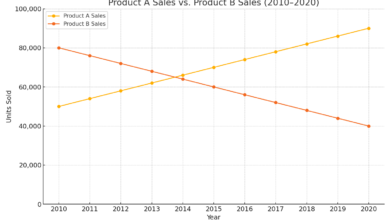

The IELTS bar chart report is not about fancy vocabulary or long sentences. It is about clarity, structure, and accuracy. At IELTS Sure, we help students understand exactly what examiners want, and this guide will walk you through how to produce a Band 9 level bar chart response with confidence.
JOIN OUR WHATSAPP GROUP FOR UPDATES
Table of Contents
Understanding the Purpose of an IELTS Bar Chart
A bar chart visually compares data using rectangular bars. These bars may show changes over time, comparisons between categories, or differences among groups. Your task is not to explain why the data exists, but to describe what the chart clearly shows.
Before you start writing, take time to identify:
- What is being measured
- Units used, such as percentages, numbers, or years
- Highest and lowest values
- Major trends or noticeable comparisons

Recommended Structure for a Band 9 Report
A strong bar chart response follows a clear four paragraph structure.
1. Introduction
The introduction should paraphrase the task question in one sentence. Do not copy the question directly. Simply restate what the chart illustrates using your own words.
2. Overview
This is the most important paragraph. A Band 9 overview highlights the main trends without giving specific numbers. Ask yourself, what stands out immediately?
Examples of good overview points include:
- Overall increases or decreases
- Clear contrasts between categories
- Any dominant category
Never skip the overview. Without it, your score is limited.
3. Body Paragraph 1
This paragraph should describe the first major group of data. Focus on comparisons and significant figures rather than listing everything.
4. Body Paragraph 2
Continue with the remaining data, maintaining comparisons and logical grouping.
ALSO Read: 3 Proven Steps to Conquer the IELTS Bar Chart Task with Ease
Sample Data Comparison Table
Using tables in your planning stage helps organize ideas before writing.
| Category | Highest Value | Lowest Value | Key Observation |
|---|---|---|---|
| Group A | 75% | 40% | Strong overall lead |
| Group B | 60% | 35% | Moderate variation |
| Group C | 50% | 20% | Lowest performance |
You would not include this table in the exam, but thinking this way improves clarity.
Language Features Examiners Love
Band 9 responses use a range of comparative and descriptive language naturally.
Useful structures include:
- slightly higher than
- significantly lower
- remained relatively stable
- showed a sharp rise
- experienced a gradual decline
Avoid memorised phrases and overuse of adjectives. Precision matters more than complexity.
Common Mistakes to Avoid
Many candidates lose marks due to avoidable errors.
Do not:
- Explain reasons for the data
- Give personal opinions
- List numbers without comparisons
- Write conclusions
- Copy the question wording
Also, avoid informal language or contractions.
Timing and Word Count Tips
Aim for 170 to 190 words in the exam. Writing too little risks under development, while writing too much increases grammar errors.
Spend:
- 2 minutes analysing the chart
- 2 minutes planning
- 15 minutes writing
- 1 minute checking
Conclusion
A Band 9 bar chart report is calm, logical, and easy to read. It tells the story of the data without drama or confusion. Practice grouping information, writing strong overviews, and making clear comparisons.
At IELTS Sure, we encourage students to focus on understanding before writing. Once clarity comes first, high scores follow naturally.
JOIN OUR WHATSAPP GROUP FOR UPDATES
Frequently Asked Questions
+ What is a bar chart in IELTS Writing Task 1?
A bar chart is a visual representation that compares data across different categories or time periods using rectangular bars. In IELTS Writing Task 1, your job is to describe the main trends, comparisons, and significant differences shown in the chart.
+ How many paragraphs should a Band 9 bar chart report have?
A Band 9 response should have four clear paragraphs, an introduction, an overview, and two body paragraphs. This structure helps examiners easily follow your ideas and assess your task achievement.
+ Is the overview really that important in IELTS Task 1?
Yes. The overview is essential for a high score. It summarises the main trends without specific numbers. Without a clear overview, your score for Task Achievement will be limited, even if the rest of your report is strong.
+ Should I include exact numbers in every sentence?
No. You should include key figures where relevant, but strong comparisons and trend descriptions are more important. Avoid listing numbers mechanically and focus on what the data shows overall.
+ Can I explain why the data changes in the bar chart?
No. IELTS Writing Task 1 is purely descriptive. You should never give reasons, opinions, or background explanations. Only describe and compare the information presented in the chart.
+ What word count is best for a bar chart report?
The ideal length is between 170 and 190 words. Writing fewer than 150 words may reduce your score, while writing too much increases the risk of grammar and coherence errors.
+ How can I improve my bar chart writing to Band 9 level?
Focus on writing clear overviews, grouping data logically, using accurate comparison language, and avoiding common mistakes like copying the question or explaining causes. Regular practice with feedback is key.