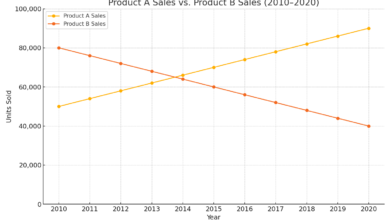


IELTS Academic Writing Task 1 gives you a visual such as a chart, graph, table, map or diagram, and asks you to write a factual report describing key information. You should not give opinions or explanations. Your role is to report trends, comparisons and changes using clear, neutral language.
You get 20 minutes and must write at least 150 words. Rushing, guessing or writing personal comments usually leads to lower scores.
Table of Contents
A Simple Three Step Strategy for High Bands in IELTS Academic Writing Task 1
At IELTS Sure, we focus on clarity and structure rather than memorising heavy templates. Our effective system uses three simple steps: understand the data, write using clear structure, and check accuracy.
| Step | What You Do | Why It Helps |
|---|---|---|
| 1. Analyse Prompt | Identify type of visual, measurement units, time periods and key trends or comparisons. | Helps you understand what to focus on, instead of listing random numbers. |
| 2. Write with Four Paragraphs | Introduction; Overview; Body 1; Body 2. | Ensures your writing is organised and easy to mark. |
| 3. Check and Polish | Correct grammar and ensure accurate comparisons, formal tone and clarity. | Avoids careless errors that reduce score. |
JOIN OUR WHATSAPP GROUP
Mastering the Overview – IELTS Academic Writing Task 1
The overview is the most important part of Task 1. It should describe the main trends or features without using numbers. It helps examiners see that you understand the big picture.
Example overview sentences:
- Overall, car ownership increased steadily over time.
- In general, older people spent more on leisure and travel.
- It is clear that the town became more developed and urbanised.
Keep it short, factual and neutral. Avoid explanations like, this happened because… or personal comments.
Useful Vocabulary for Trends and Comparisons
To sound academic and accurate, use vocabulary for describing change, speed and comparison.
Verbs: increase, rise, decline, drop, grow, fall
Adverbs: slightly, steadily, significantly, dramatically, rapidly
Comparison phrases: whereas; similarly; in contrast; while; compared to; on the other hand
Example sentence:
The number of internet users grew steadily between 2005 and 2015; however, newspaper readership declined sharply during the same period.
Avoid emotional language and do not write, the number skyrocketed, or opinions like, people clearly preferred.
ALSO READ: Master IELTS General Writing Task 1 – Band 9 Roadmap
Writing Strong Body Paragraphs
The body paragraphs should focus only on relevant details. Instead of writing every number, group similar data and highlight major changes.
For example, instead of listing every figure, write:
The population grew from 30 million in 1990 to 40 million in 2010, an overall increase of 10 million.
This style shows clarity, accuracy and ability to summarise, all of which are essential for Band 7 or higher.
Common Mistakes to Avoid in IELTS Academic Writing Task 1
Many candidates lose marks not because of lack of vocabulary, but because of avoidable mistakes. Here are the most common pitfalls:
- Giving personal opinions or explanations, for example, this probably increased due to…,
- Listing every number instead of choosing key data
- Using informal or emotional language
- Forgetting to write an overview
- Mixing data with opinions and speculations
Good Task 1 writing is factual, selective and neutral.
Why This Strategy Works
High scoring Task 1 responses are not about difficult vocabulary, but about clear structure, accurate comparisons and neutral reporting. When your writing is logically grouped, grammatically accurate and free from personal views, examiners find it easier to award you a high band.
At IELTS Sure, we teach that simplicity with clarity beats complexity with confusion. You don’t need fancy English to score Band 8 or 9; you need well organised, precise and thoughtful English.
IELTS Academic Writing Task 1 — FAQs
In Task 1 you write a factual report based on a visual (graph, chart, table, diagram, or map). Describe key features, highlight trends, and summarise the information objectively without giving personal opinions.
Aim for about 20 minutes. Task 2 is worth more, so good time management is important to finish both tasks within the test time.
You must write at least 150 words. Writing fewer than 150 words can lower your Task Achievement score.
Visuals include line graphs, bar charts, pie charts, tables, maps, process diagrams, or a combination of these.
Use this structure: Introduction (paraphrase the task), Overview (summarise main trends), then two Body paragraphs with specific details and comparisons.
An overview summarises the most important features or trends without detailed numbers. Place it either at the end of the introduction or as a separate paragraph immediately after the introduction.
A formal conclusion is not necessary. A clear overview serves as the summary for Task 1.
No. Select the most important data: major trends, significant changes, highest/lowest values, and useful comparisons. Avoid listing every single figure.
No. Task 1 is descriptive only. Do not speculate about causes, make predictions, or include personal opinions unless the task explicitly asks for it.
Four criteria (each 25%): Task Achievement, Coherence and Cohesion, Lexical Resource, and Grammatical Range and Accuracy.
Common errors: missing or weak overview; listing all data without selection; using informal language; making inaccurate comparisons; reporting opinions; writing fewer than 150 words.
Practice spotting key trends fast, expand vocabulary for describing changes and comparisons, use clear paragraphing and linking, and practise under timed conditions.
Yes. Use a formal, academic tone. Avoid contractions, slang, and personal comments.
No. Write full sentences and paragraphs in academic style. Bullet points and headings are not appropriate for Task 1.
Aim for accuracy first. Use a mix of simple and complex sentences, but only use complex structures you can control and write correctly.