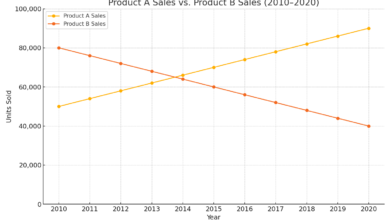


Preparing for the IELTS Writing test can feel overwhelming, especially if you are unsure what examiners want. At IELTS Sure, the goal is to make this journey clear, practical, and achievable. Whether you are writing a letter for General Training or describing data for Academic Writing Task 1, understanding the structure, expectations, and scoring can dramatically boost your performance.
Table of Contents
JOIN OUR WHATSAPP GROUP FOR UPDATES
Understanding the IELTS Writing Test Structure
The IELTS Writing section has two tasks, and each carries its own requirements and scoring weight.
Quick Breakdown of the Two Tasks
| Task | What You Must Do | Word Count | Time Recommendation |
|---|---|---|---|
| Task 1 Academic | Summarise charts, graphs, maps, or processes | 150 words | 20 minutes |
| Task 1 General Training | Write formal, semi-formal, or informal letters | 150 words | 20 minutes |
| Task 2 (Both Tests) | Write an essay responding to a question or statement | 250 words | 40 minutes |
Many students focus heavily on Task 2, but Task 1 also has a major impact on your score. Learning how to manage your time between the two is essential.
ALSO READ: IELTS Academic Writing Task 1 Success Guide: How to Write a Perfect Band 9 Report
How the IELTS Writing Test Is Scored
Examiners use four criteria to assess your writing, and understanding these can guide your preparation.
IELTS Writing Band Descriptors Explained
| Criterion | What It Means |
|---|---|
| Task Achievement or Task Response | How fully you answer the question |
| Coherence and Cohesion | How logically your ideas flow, including paragraphing |
| Lexical Resource | Your vocabulary range and accuracy |
| Grammatical Range and Accuracy | How well you use grammar and sentence structures |
A strong answer is clear, well-structured, and accurate. You do not need overly fancy vocabulary, just natural, precise language.
IELTS Writing Task 1, What You Need to Know
If You Are Taking the Academic Test
You will receive a visual, such as a bar chart, line graph, map, or process diagram. Your job is to describe the key trends or stages without giving opinions.
Tips for Academic Task 1
- Start with a clear overview that sums up the main trends.
- Group related information together.
- Avoid listing every number, focus on comparisons and patterns.
If You Are Taking General Training
You will write a letter. The tone depends on who you are writing to.
Types of Letter Tones
| Tone | When to Use It |
|---|---|
| Formal | Writing to a company or authority |
| Semi-formal | Writing to someone you know but not closely |
| Informal | Writing to a friend or family member |
Your letter must address all bullet points clearly and naturally.
IELTS Writing Task 2, Your Essay Strategy
Task 2 requires a longer essay, and it contributes more to your final Writing score.
Common Essay Question Types
- Opinion questions
- Discussion questions
- Problem and solution questions
- Advantages and disadvantages questions
- Two, part questions
Each type requires a slightly different approach, but all demand a clear introduction, body paragraphs, and a conclusion.
Tips for a High Scoring Task 2 Essay
- Plan for a minute or two before you write, this helps your ideas flow.
- Use clear topic sentences so each paragraph has a purpose.
- Support your ideas with examples that are realistic and relevant.
- Write naturally, avoid memorised phrases.
How IELTS Sure Helps You Improve Faster
IELTS Sure is built to make your writing stronger and more confident. The guidance focuses on real exam strategies, understandable explanations, and consistent practice. Whether you are learning essay structure, refining grammar, or mastering the art of describing visuals, the approach is designed to help you grow steadily.
Conclusion
IELTS Writing does not have to feel confusing. With the right structure, practical tips, and clear examples, you can steadily increase your score. Keep practising, review model answers, and use the frameworks provided by IELTS Sure to sharpen your skills.
IELTS Writing – Frequently Asked Questions
The IELTS Writing test has two tasks. In Task 1, Academic students describe visuals such as charts, graphs, maps, or processes, while General Training students write a letter. In Task 2, both Academic and General Training students write an essay responding to a question or statement. Understanding this structure helps you manage time and energy effectively during the exam.
You have 60 minutes in total. A smart guideline is:
- Task 1: about 20 minutes for at least 150 words
- Task 2: about 40 minutes for at least 250 words
Task 2 is worth more marks, but Task 1 still affects your overall band, so you cannot ignore it. Aim to stay close to this timing so you finish both tasks without rushing the last paragraphs.
Task 2 carries more weight in your Writing band score, which is why many students put extra focus on their essay. However, Task 1 is still important. A weak Task 1 (poor structure, no overview, not answering the bullet points) can pull your overall Writing band down. Think of Task 1 as your foundation and Task 2 as your main structure – you need both to be strong.
Examiners use four main criteria:
- Task Achievement / Task Response – did you answer the question fully?
- Coherence and Cohesion – is your writing logically organised and well linked?
- Lexical Resource – is your vocabulary accurate and varied?
- Grammatical Range and Accuracy – do you use a range of correct sentence structures?
You don’t need “fancy” words – clear, precise, and well-organised English is what really impresses examiners.
The main difference is in Task 1:
- Academic Task 1: describe visuals such as charts, tables, maps, and processes.
- General Training Task 1: write a letter (formal, semi-formal, or informal).
Task 2 is an essay in both versions. The skills you build for Task 2 – clear structure, relevant examples, and strong explanations – are useful whether you are taking Academic or General Training.
In Academic Task 1, you should:
- Introduce the visual in your own words.
- Write a clear overview of the main trends or key features.
- Group similar data together instead of listing every number.
- Focus on comparisons and patterns, not opinions.
The examiner wants to see that you can summarise information accurately and logically.
First, decide the correct tone:
- Formal – writing to a company or authority
- Semi-formal – writing to someone you know, but not closely
- Informal – writing to a friend or family member
Then, make sure you clearly cover all the bullet points in the question and keep your language natural and consistent with the tone you have chosen.
The main Task 2 question types you should be ready for are:
- Opinion (agree or disagree) questions
- Discussion (discuss both views) questions
- Problem and solution questions
- Advantages and disadvantages questions
- Two-part (direct) questions
Each one needs a slightly different approach, but all require a clear introduction, logical body paragraphs, and a short, focused conclusion.
A few powerful habits are:
- Plan your ideas for a minute or two before you start writing.
- Use clear topic sentences so each paragraph has a clear purpose.
- Support your points with realistic, relevant examples.
- Write naturally and avoid memorised templates that don’t fit the question.
These simple steps make your essay easier to follow and more convincing for the examiner.
IELTS Sure focuses on clear, practical strategies instead of confusing theory. You learn how the test is structured, what the band descriptors really mean, and how to apply simple frameworks to both Task 1 and Task 2. With understandable explanations, step by step guidance, and regular practice, you can build stronger, more confident writing one essay at a time.